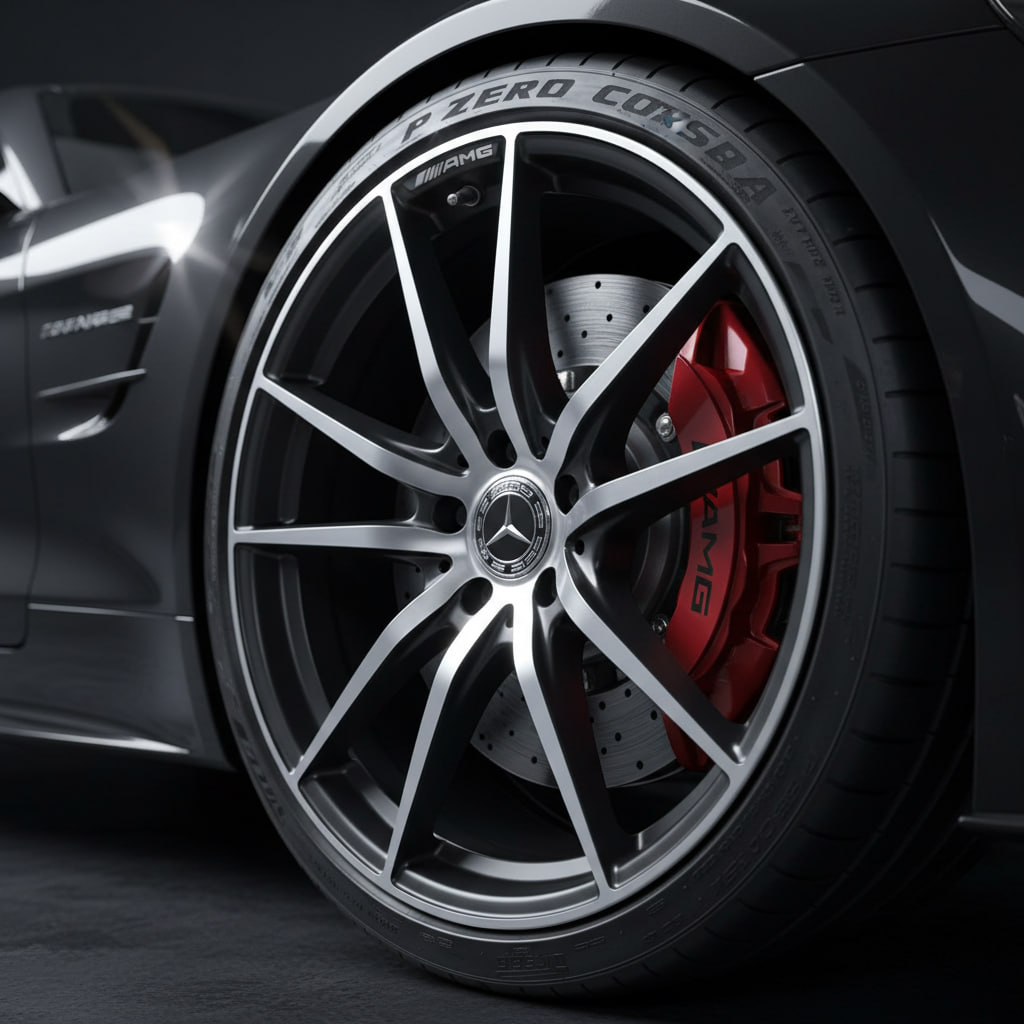
AMG wheels are more than just accessories – they’re precision-engineered components that reflect Mercedes-AMG’s commitment to performance and quality. Unfortunately, the market is flooded with counterfeits that look similar but fall short in durability, safety, and resale value. Whether you’re shopping on the secondary market or upgrading your Mercedes, knowing how to identify genuine AMG wheels is essential.
Why Authenticity Matters
Fake wheels aren’t just a matter of pride. Replica AMG wheels often use inferior alloys, resulting in lower strength-to-weight ratios and increased risk of cracking under stress. They may also have inconsistent balancing, leading to vibrations at high speeds. Genuine AMG wheels undergo rigorous testing to meet Mercedes-Benz safety standards – replicas rarely do.
Key Identifiers of Genuine AMG Wheels
1. AMG Engravings and Markings
Authentic AMG wheels feature specific engravings that are difficult to replicate precisely. Look for:
- The AMG logo on the face or spoke of the wheel
- A part number etched into the inner barrel (usually starting with “A” followed by a series of digits)
- “Made in Germany” or manufacturer markings on the back side
- TÜV certification stamps indicating compliance with German safety standards
Replicas often have shallow, blurry, or incorrectly positioned engravings. Compare any wheel you’re considering to verified photos from official Mercedes sources.
2. Weight and Build Quality
Genuine AMG wheels, especially forged variants, are engineered to be lightweight yet strong. A replica wheel of the same size will often weigh noticeably more due to cheaper casting methods. If possible, compare the weight to official specifications – a significant difference is a red flag.
3. Finish and Paint Quality
Mercedes-AMG uses high-quality powder coating and finishing processes. Authentic wheels have a consistent, smooth finish without bubbles, uneven texturing, or overspray. Inspect the edges and bolt holes closely, as these areas often reveal shortcuts in replica manufacturing.
4. Casting and Machining Precision
Examine the back side of the wheel. Genuine AMG wheels show clean, precise machining with no rough edges or visible casting seams. Replicas frequently display porous surfaces, uneven thickness, and sloppy tooling marks.
5. Center Cap and Hardware
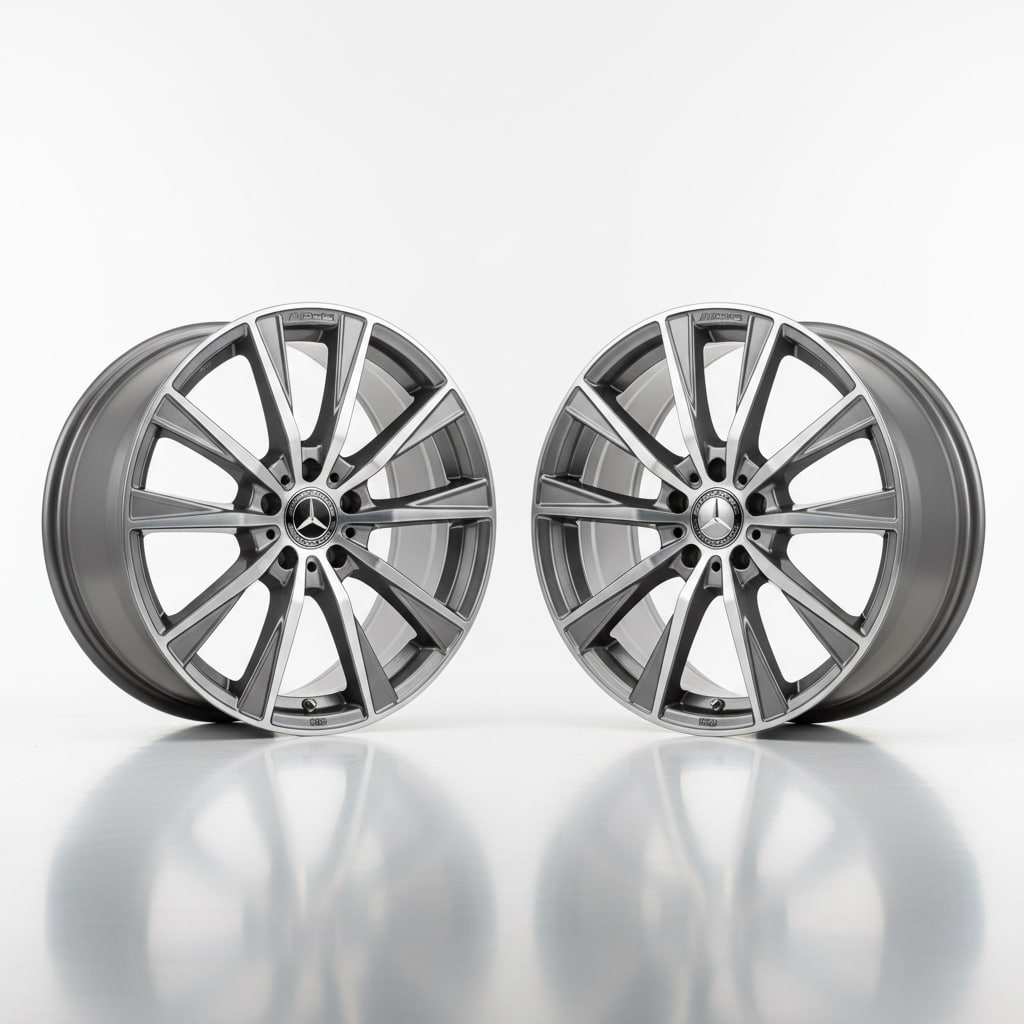
Original AMG center caps have a specific weight, magnetic properties, and print quality. The Mercedes star should be perfectly centered with crisp detailing. Additionally, genuine wheels come with properly sized hub rings and bolts designed for exact fitment.
Where to Buy With Confidence
The safest way to avoid counterfeits is to purchase from authorized dealers. For those seeking original AMG wheels, https://mercteil.com/ offers a reliable selection of authentic Mercedes-AMG parts. They specialize in genuine OEM components, ensuring you receive wheels that meet factory specifications without the risks associated with third-party sellers.
Red Flags When Shopping
Be cautious if you encounter any of the following:
- Prices significantly below market value
- Sellers unable to provide part numbers or proof of authenticity
- Stock photos instead of actual product images
- No return policy or warranty
- Shipping from regions known for replica production
Final Thoughts
Investing in genuine AMG wheels protects your safety, preserves your vehicle’s value, and delivers the performance Mercedes-AMG intended. While replicas may seem like a budget-friendly option, the risks simply aren’t worth it. Take time to inspect, verify, and buy from trusted sources. Your Mercedes deserves nothing less.